Most Australian players have seen it on the felt: a small extra square inviting a wager that a player’s first two cards plus the dealer’s upcard will form a three-card poker hand. The blackjack 21+3 side bet sits there for a reason, but it rewards a particular kind of attention rather than casual curiosity. Anyone weighing it should ask what they actually want from the table – fast entertainment, a shot at a tidy payout, or a steadier game plan – and decide whether the extra wager fits that evening’s budget before the first card is dealt.
This focused engagement mirrors the concentration required for other chance-based games found across the continent. For those seeking to diversify their wagering habits, exploring additional options like plinko can complement the blackjack experience. Detailed information on these alternatives is available at https://plinko-play-au.com/en-aus.
How the wager actually works
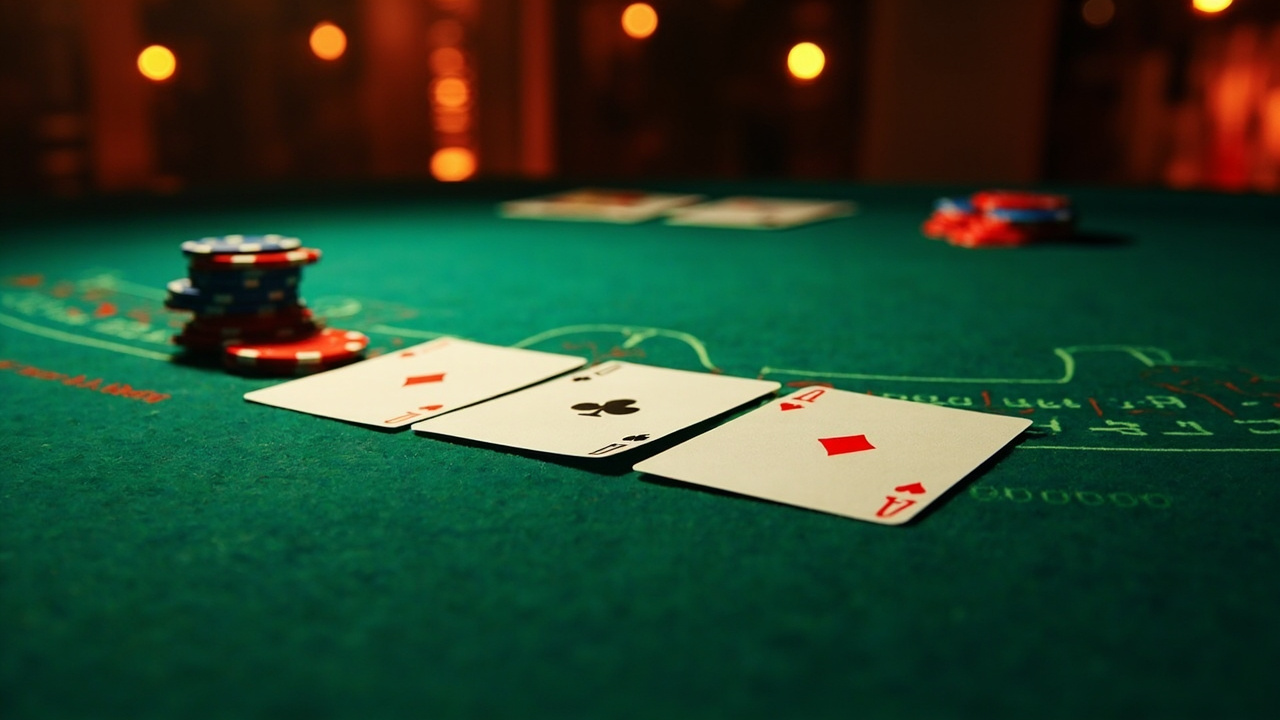
The maths behind the blackjack 21+3 side bet is straightforward, even if the payouts look tempting on a busy arvo. You are betting that your opening two cards combined with the dealer’s face-up card will land as a flush, a straight, three of a kind, or a suited combination, with the highest returns reserved for the rarer hands. The catch is that those combinations do not appear often, and the house edge sits noticeably higher than the main blackjack game, which is why seasoned players treat it as a occasional flourish rather than a default habit. When I have watched operators structure this across studios and aggregators for international distribution, the consistent judgement call is to keep the side bet visible but clearly separated from the core table rules, so players understand it is an add-on with its own odds rather than a hidden extension of the main game.
That distinction matters more than the advertised payout table. A flush might pay well, but the deck does not rearrange itself to help you, and the dealer’s upcard is just one card in a sequence that has already been shuffled. Players who enjoy the extra thrill often set a small, fixed amount they are comfortable losing on the side wager and stick to it, rather than letting a hot streak encourage larger tickets. If a session is about stretching entertainment value, the main blackjack bet remains the centrepiece, with the side bet kept to a modest slice that does not upset the overall bankroll plan.
What to weigh before placing the extra chip
The odds and the payout ladder
Any sensible player looks at the payout ladder before touching the side bet, because the returns vary by combination and by venue. A suited three of a kind will usually command the highest line, while a simple flush or straight sits lower, and those differences shape how often you might see a return versus how often the wager simply fades. The important question is whether the extra volatility suits the way you play: if you prefer a steadier rhythm, the main game is the better home base, and the side bet becomes a small, controlled diversion. If you are happy chasing a rarer hand for a defined window, the ladder can feel engaging, provided you accept that the deck’s randomness is doing the real work.
Table limits, session length, and comp behaviour
The way a venue or operator values a regular patron also changes how the side bet fits into a session. Rating a player means estimating their average bet and time played for comps, so a table that quietly accumulates time and a consistent main-game wager can matter more to your overall evening than a sporadic side wager. In regional New South Wales, local clubs operate under rules that require NSW clubs must return a share of pokie profits to the community, which is a reminder that the broader gaming ecosystem is tied to community contributions and regulated structures rather than a free-for-all. That context does not change the cards, but it does remind players that table choice, limit discipline, and session length all feed into how the night feels, with or without the extra square on the felt.
Matching the wager to your own game
The question that matters most is whether the blackjack 21+3 side bet aligns with the kind of session you actually want. If you are after a focused, measured run where the main game sets the pace, keep the side bet small and treat it as a brief diversion between hands. If you enjoy a little extra volatility and can tolerate the higher house edge for a defined stretch, the side bet can add a spark without derailing the table plan. Either way, the clearest approach is to decide your limit before you sit down, watch the payout ladder once, and let the main game carry the session while the side wager stays in its lane.

For players comparing lobbies and table options across platforms, the same principle holds: look for clear separation between the core blackjack game and any side offerings, check that limits and payout details are easy to read, and make sure the overall mix suits the pace you want rather than chasing a single flashy line. When the layout is organised well and the rules are plain, you can make a calm call about whether the extra wager earns a place in your session, and when it does not, you can simply leave it alone with no dramas.